Knee Pain When You Squat? What to Change Before You Quit
"My knee hurts when I squat" is one of the most common sentences physical therapists hear — and one of the most misunderstood. Most people respond with one of two reflexes: push through it and hope, or drop squats entirely and lose one of the most valuable movements in training. In clinic, we usually do neither. We change something, watch how the knee responds, and let that response tell us the next move.
Here's the reasoning behind that — and the same modification ladder we'd walk you through in person.
First: discomfort is information, not a verdict
A knee that talks to you during squats is giving you data. Before changing anything, a clinician wants to know three things — and you should ask yourself the same:
Where is it? The front of the knee around the kneecap tells a different story than the inside joint line or the back of the knee. What kind of sensation? A dull ache that builds with load behaves differently than a sharp pinch at one specific depth. When does it show up — and does it settle? Discomfort that appears at the bottom of the squat and eases once you're done is a very different situation from pain that lingers into the next day or shows up on stairs.
A dull ache under a heavy squat that clears quickly is very often the joint asking the load to slow down — not a stop sign. That's usually a modification conversation, not a quit-squatting one.
When it's not a modification conversation: sharp pain that changes how you move, swelling, the knee giving way, locking or catching, pain that's getting worse across sessions, or pain that arrived with an injury — get it looked at by a licensed clinician before loading it further. Nothing in this article replaces that.
The modification ladder
Change one thing at a time, in this order, and give each change a real test — a couple of controlled sets, not one nervous rep. The goal is to find the version of the squat that trains you without poking the knee.
- Cap the depth — slightly. If the sensation shows up at a certain depth, stop an inch or two above where it starts. Not forever: you're keeping the movement in your program while training a range the knee accepts today. A box set at the right height makes this consistent, and takes the guesswork out of every rep.
- Slow the tempo. Three seconds down, a brief pause at the bottom, drive up. A controlled tempo kills the bounce out of the bottom — the point where the knee sees its highest stress — and makes a moderate weight feel like plenty of training without needing to chase load.
- Shift the strategy. Sit the hips back a touch more, keep the shins a little more vertical, and drive up through your heels. This biases the work toward the hips and often changes what the front of the knee feels immediately. If it does, that's useful information about what your next training block should include.
- Hold the load. Keep the weight where it is — no increases — until the modified squat feels clean for a full week. Then rebuild the range first, and only after that let the load climb again. Range first, then load. Rushing that order is how flare-ups become patterns.
- Swap the variation — temporarily. If the barbell back squat still argues after all of the above, a box squat, goblet squat, or leg press can keep training your legs while the knee calms. You're not giving up the pattern; you're keeping the qualities while the loudest version rests.
What "success" looks like
You're not chasing zero sensation on day one. You're looking for a trend: discomfort that stays low during the set, settles quickly after, and doesn't greet you on the stairs the next morning. When that's true for a week or two, expand the range. Then the load. Most grumpy knees respond well to exactly this kind of patience — the squat usually doesn't need to be removed, it needs to be re-dosed.
This is literally what Forge does.
Tell Forge your knee's been talking during squats, and it runs this exact reasoning — asks where and what kind, adjusts your depth, tempo, and load, keeps the rest of your program intact, and watches how the knee responds week to week. Built by two Doctors of Physical Therapy.
Start Your Free 7-Day Trial →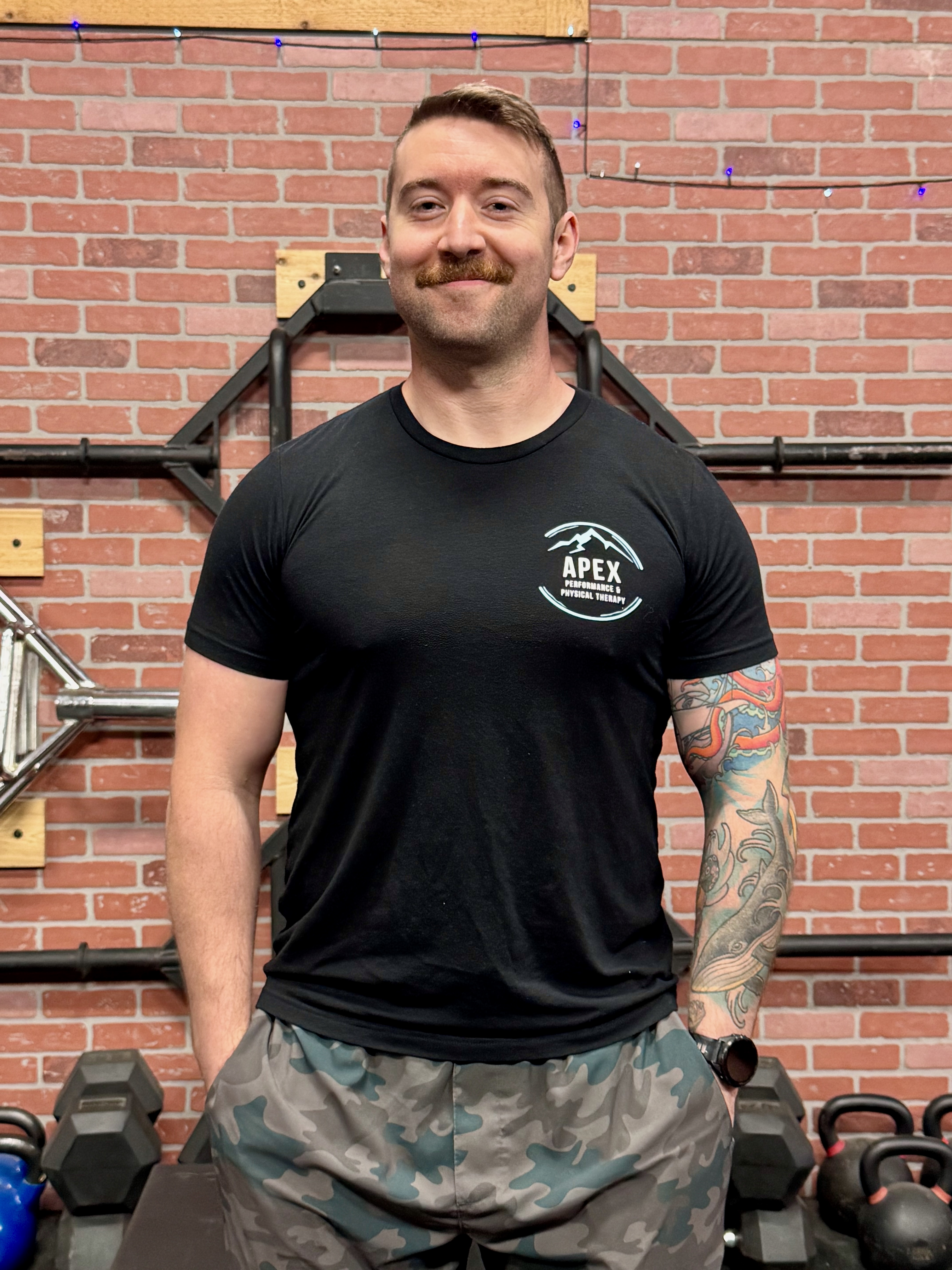
John Ribeiro, DPT, OCS
Doctor of Physical Therapy and movement-assessment specialist. Co-founder of Forge, the AI movement coach that adapts to you — he leads the coaching engine that reasons like a clinician.