How Many Days a Week Should You Actually Train?
"How many days a week should I train?" is one of the first questions everyone asks — and one of the few where the internet's confident answer is usually wrong. You'll hear "you have to train five or six days to see results," and it sends people straight into a schedule they can't hold, which quietly guarantees they won't see results.
As physical therapists, the honest answer we give is not a number. It's a question back: how many days can you realistically hit, every week, on a normal week — not your best one? That's the number that actually builds you. Here's why, and how to choose it.
The real question isn't optimal — it's sustainable
There's a version of the perfect week on paper, and then there's the week you'll actually live. Training only works through accumulation: the results come from the sessions you repeat for months, not the ones that look impressive for two weeks. That's why consistency is the master metric. Three solid sessions you complete every single week will beat five you manage for a month and then abandon — every time, and it isn't close.
So the first move isn't picking an ambitious number. It's counting your true available days honestly, and building from there.
What the days are actually for
More days aren't automatically "more results." Training days are containers for two things: total quality work (volume) and practice of the movements (skill). Adding a day helps only if it adds work you can recover from and turns into adaptation. Past that point, extra days don't speed anything up — they just add fatigue and raise the odds you miss one and feel like you failed.
For most people chasing general strength, muscle, and health, three to four quality sessions a week drives excellent progress. More can help a dedicated trainee fit in more volume — but only when sleep, stress, and nutrition are actually supporting it. Frequency serves your recovery, not the other way around.
More isn't the goal — repeatable is. Pick the number you could still hit during a bad week: a busy stretch at work, poor sleep, a sick kid. If four days only works on a perfect week, your real number is three. You can always add a day once three is automatic. Cutting a day after you've failed it costs far more than the day ever gave you.
How to structure it once you've chosen
The number you land on shapes how each session should look. Fewer days means each one should cover more of the body; more days lets you spread the work out.
- 2–3 days: full-body sessions. Hit a push, a pull, a squat or hinge, and something for the core each time. With limited days, whole-body frequency is the most efficient way to train everything often enough to progress.
- 4 days: an upper/lower split, or two full-body and two focused days. Now you have room to add volume where you want it without any muscle group waiting a full week between sessions.
- 5–6 days: only worth it if recovery genuinely supports it, and usually with some deliberately easier sessions mixed in. More days here is about managing volume and specialization — not about "always going hard," which is how the extra days backfire.
Let the number change — because your life does
Your right number isn't fixed. A calm month might support four days; a brutal one might only allow two — and dropping to two on purpose during a hard week is smart training, not a failure. A good plan flexes the frequency with your life instead of treating every missed session as a broken streak. The lifter who trained three sensible days a week for a year is miles ahead of the one who chased six, burned out, and restarted three times.
This is exactly what Forge does.
Forge is an AI movement coach built by two Doctors of Physical Therapy. It builds your week around the days you can actually hold, structures each session for that frequency, and flexes when life gets in the way — so your plan bends instead of breaking, and the consistency that actually drives progress stays intact.
Start Your Free 7-Day Trial →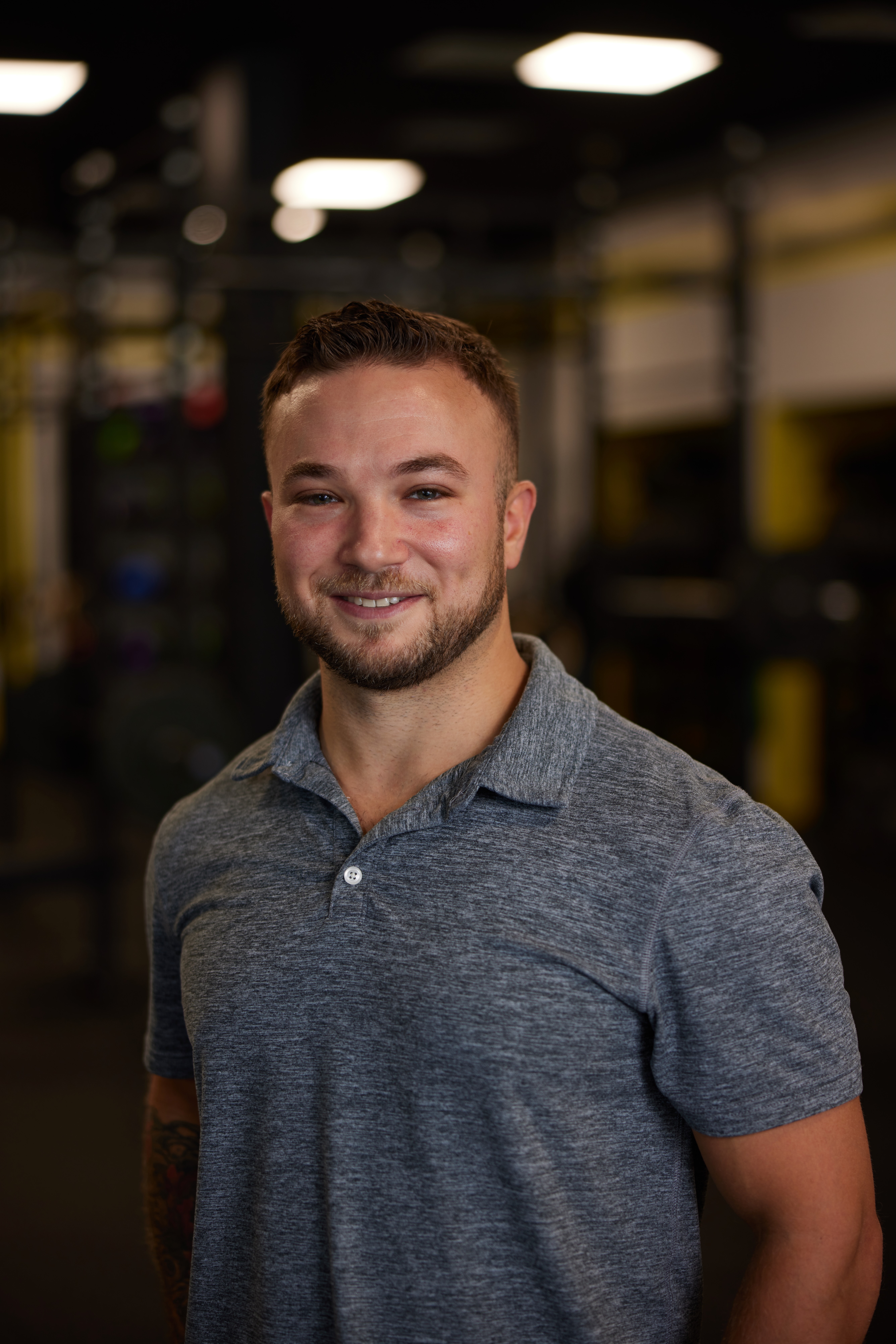
Joe Rivieccio, DPT, OCS, CSCS
Doctor of Physical Therapy and strength & conditioning specialist. Co-founder of Forge, the AI movement coach that adapts to you — built from the programming judgment he uses with patients every day.